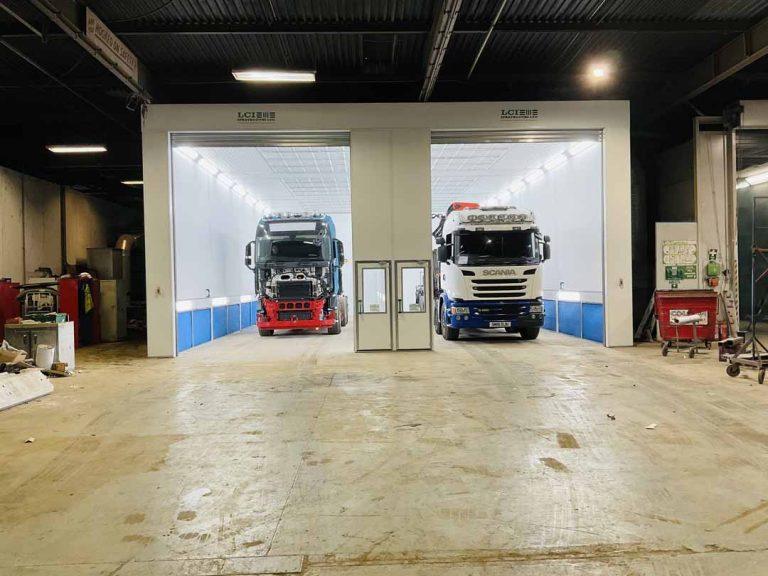

Lighting in a spray booth is more than just a matter of visibility — it plays a key role in safety, finish quality, and workplace comfort. In the UK, spray booth lighting follows health and safety guidelines that make sure painting environments stay well lit, safe, and suitable for accurate colour work.
This article looks at the main areas to think about when it comes to spray booth lighting and why it matters for both everyday use and meeting legal standards.
Why Spray Booth Lighting Matters
Spray booths support tasks that require a high level of detail. Whether you’re painting cars, panels, or other items, clear lighting helps you spot imperfections, apply coatings evenly, and match colours more accurately.
More importantly, good lighting lowers risks in spaces where flammable materials and vapours are present. Without the right setup, both the finish and workplace safety can suffer.
Brightness Requirements
One of the most talked-about features of spray booth lighting is brightness. UK guidelines often recommend lighting levels around 1000 lux, which is much brighter than regular indoor lights. These levels help users spot defects or uneven coverage more easily.
Bright lighting also supports quick checks and touch-ups, helping the job move along without delays or repeat work.
The Importance Of Light Placement
Where you put the lights matters just as much as how bright they are. A mix of high, mid, and low-level lighting helps reduce shadows and gives full visibility of the item being sprayed.
Poor light placement can lead to glare and missed spots. Planning the layout carefully avoids dark areas and makes the space easier and more comfortable to work in.

Why LED Lighting Is The Best Choice
Most modern spray booths now use LED lighting. LEDs last longer, use less energy, and give off a steady, white light that’s great for detailed work like colour matching.
Compared to older lighting types, LEDs need less upkeep and help lower energy costs. They also give off less heat, which makes it easier to control the temperature in the booth and reduces pressure on fans and vents.
Safety Considerations
Spray booths involve risk, especially when vapours or flammable paint particles are in the air. That’s why you need lighting built for those conditions.
In some cases, you might need explosion-proof fixtures that stop sparks or heat from creating a fire risk. All lighting in spray areas should come fully sealed and rated for that use to keep your team safe.
Colour Matching & Accuracy
Accurate lighting makes it easier to match colours properly — something that matters in jobs like car resprays or custom finishes.
LEDs give off a natural white light that shows the true colour of paint. This helps you spot any difference early and makes sure the result looks the same inside the booth as it does under daylight.
Fixture Design & Layout
Your lighting fixtures need to do the job without causing problems. Big or bulky fittings can create unwanted reflections on painted surfaces, making the work harder.
A slim, clean design works best. These fixtures stay out of the way but still provide plenty of light, helping you focus on the task without distraction.

Keeping Your Spray Booth Lighting Compliant
Keeping your spray booth lighting up to standard helps you do better work and stay within the law. UK regulations apply to lighting levels, safe fittings, and workplace setup and your booth needs to meet all of them.
Check your lighting setup regularly, keep it clean, and make upgrades when needed to avoid problems down the line.
Need Help With Your Spray Booth Lighting? Contact Us Today
If you want to improve your spray booth lighting, the team at LCI Spray Booths is ready to help. We supply high-quality LED lighting setups built for safety, long life, and clear, even light. Contact us today to talk about your options and find lighting that meets UK standards while working well for your space.